Research achievements
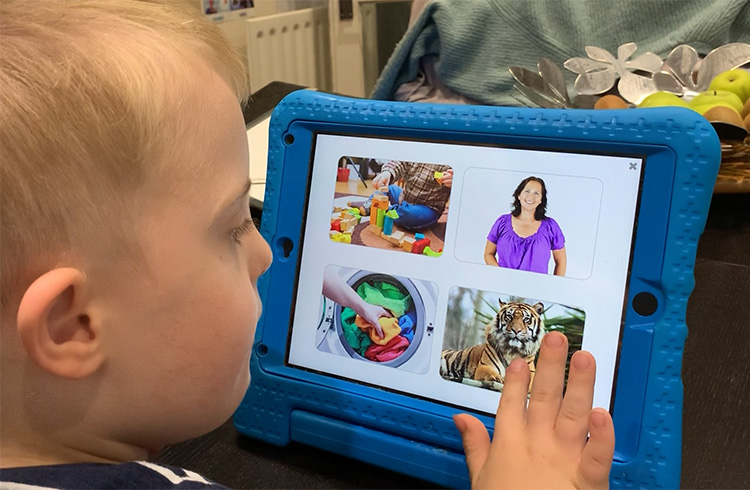
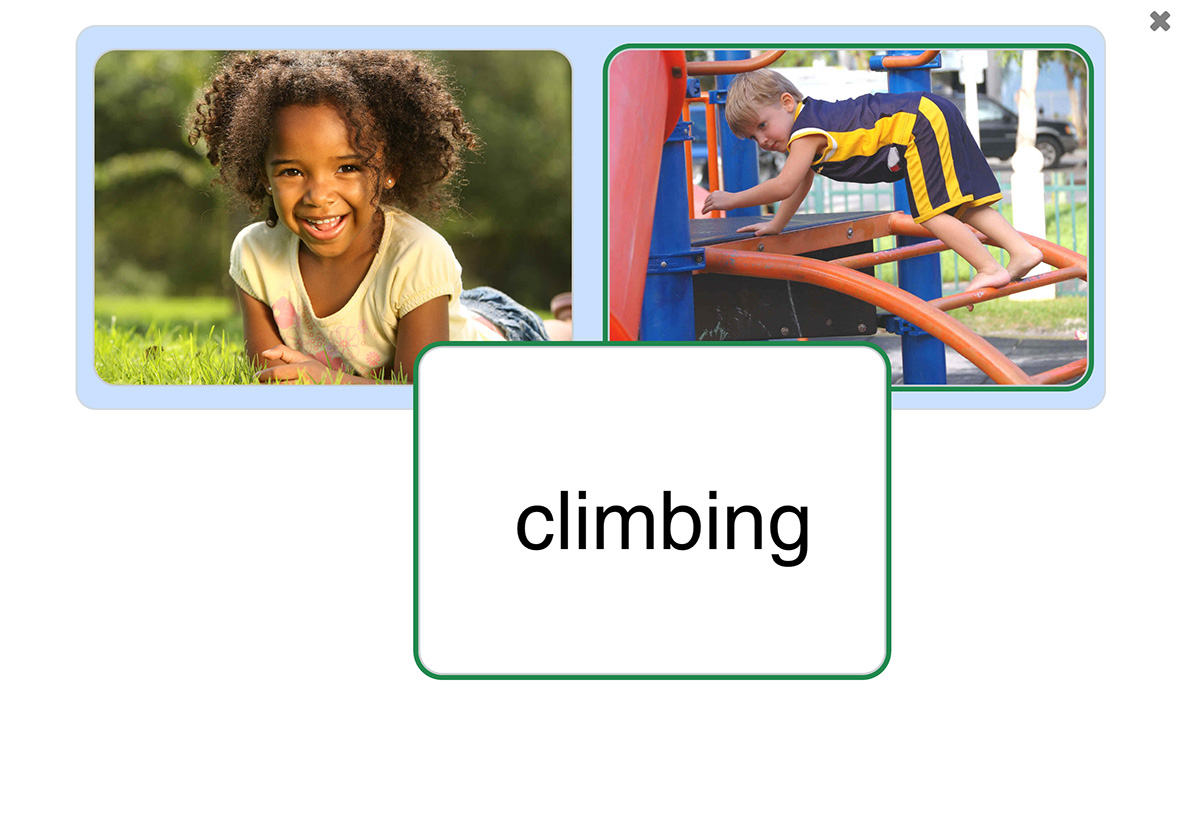
...visual teaching methods, such as reading, can
lessen the impact of verbal processing difficulties and reduce delays in speech,
language and cognitive development...
...children with Down syndrome who are fully included in
mainstream schools have better speech and language skills, are more
likely to be reading and writing, and to have more mature social
behaviour...
...memory training can improve visual
and verbal short-term memory when provided in inclusive
classrooms alongside literacy instruction...
Down Syndrome Education International has been at the heart of developmental and
educational research for young people with Down syndrome for 30 years. We have improved
understanding of the condition and pioneered effective teaching methods that deliver
marked improvements in the development of speech, language, reading and cognitive
skills.
Down Syndrome Education International grew from a research project at the University of Portsmouth that began
in 1979, when the father of Sarah Duffen, a child with Down syndrome, wrote to
Sue
Buckley about his success in teaching his daughter to read from the age of 3 years.
This was the impetus for our first research project investigating reading development
in young children with Down syndrome. It marked the beginning of a continuous programme
of developmental and educational research that has led to many
key advances in our understanding of Down syndrome.
Visual learning strengths
Children with Down syndrome find learning from listening more challenging due to
hearing and verbal processing difficulties, and this leads to delays in speech,
language and cognitive development.
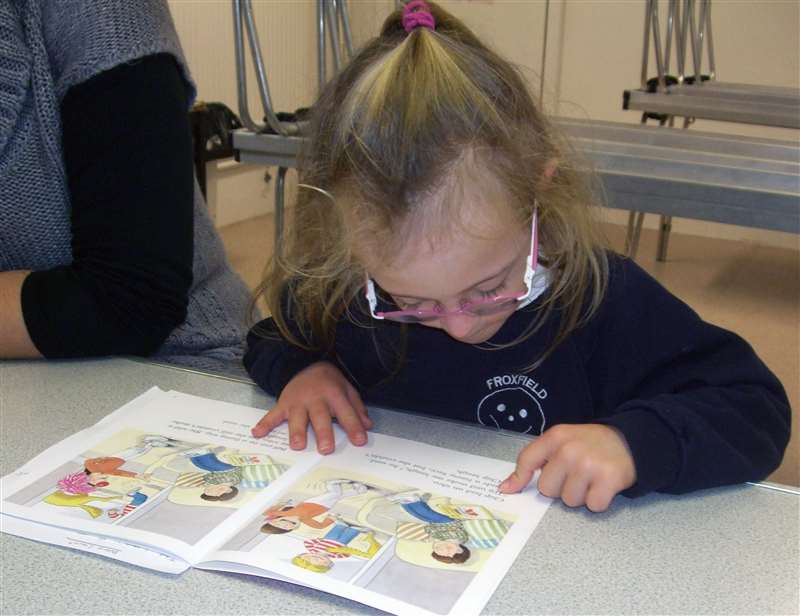
The charity's research has shown that using
visual teaching methods, such as reading, can lessen the impact of these difficulties
and reduce the delays in speech, language and cognitive development.
We have found
that children with Down syndrome use visual reading strategies for longer (at higher
reading ages) than their typically-developing peers.
Reading development
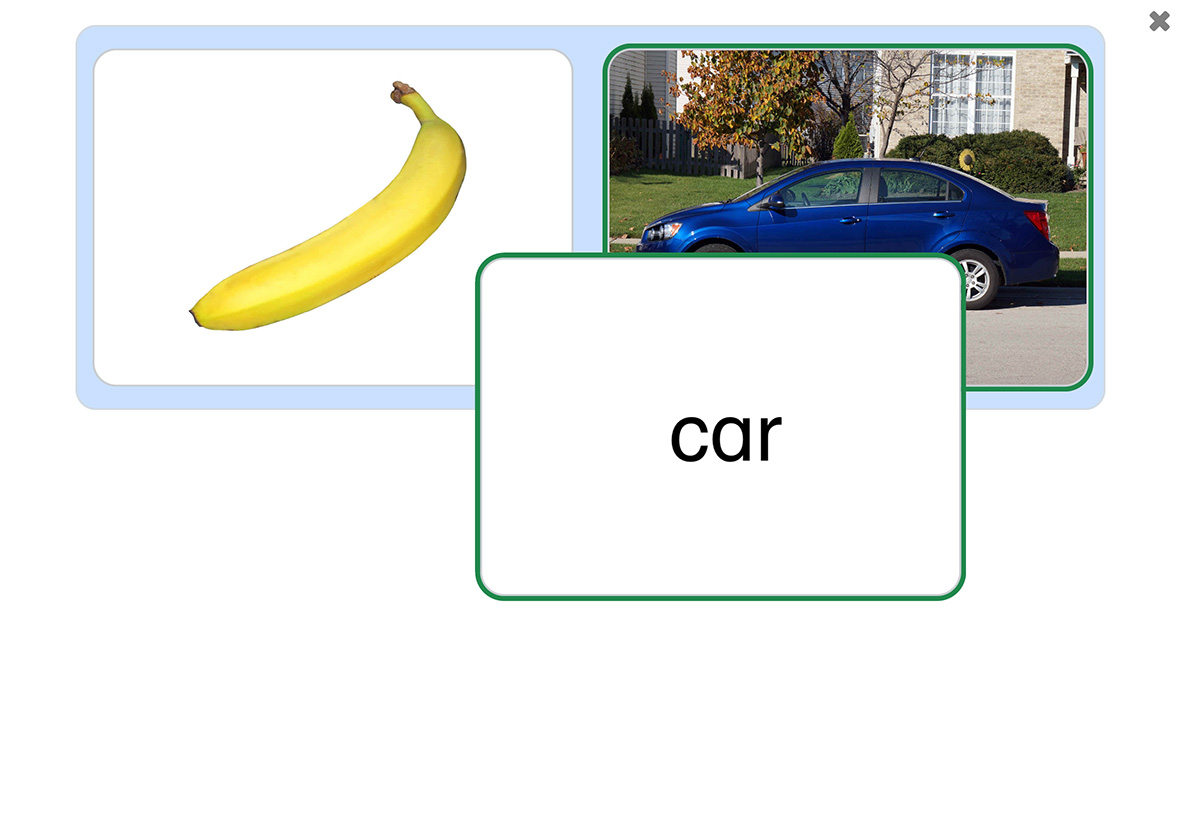
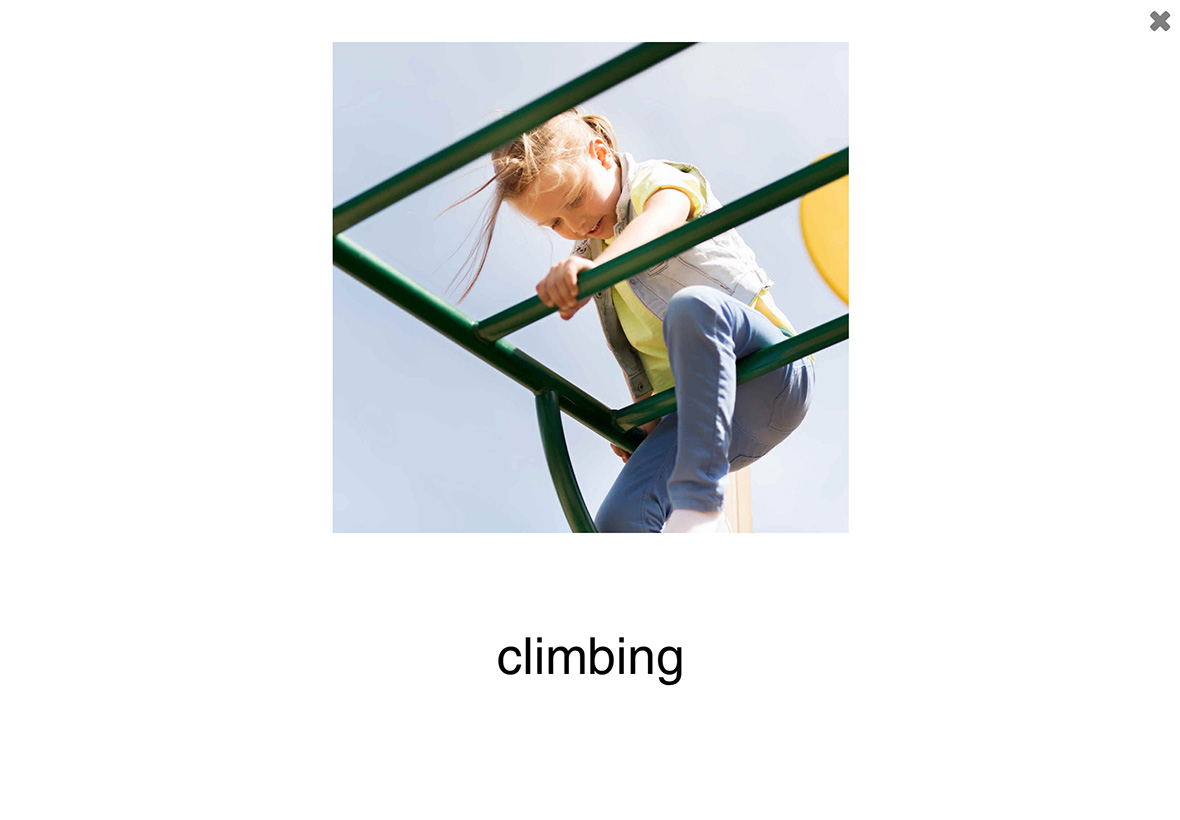
The charity's studies have shown that most children with Down syndrome can learn
to read and should start in their pre-school years. We have found that early sight
word reading is a particular strength for preschool children with Down syndrome
and that reading continues to be a strength in later years.
Speech, language and communication
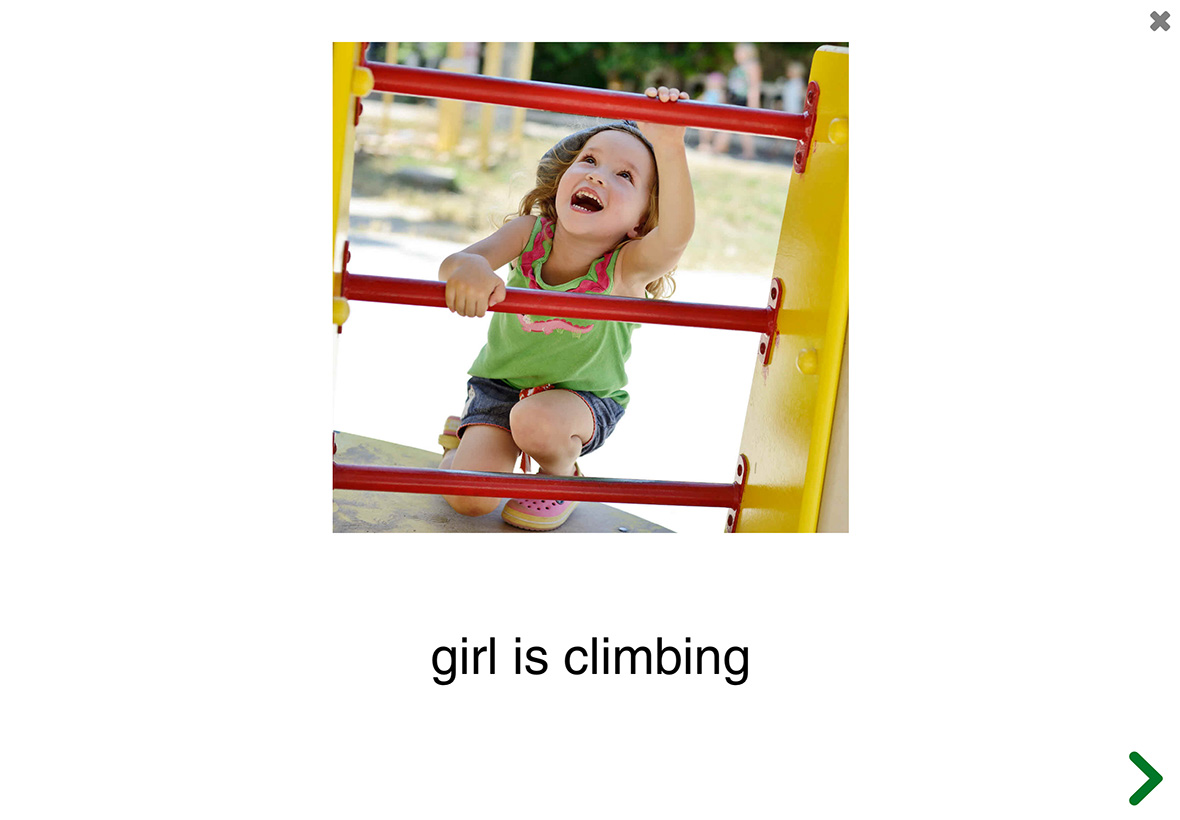
Our research has found that teaching children with Down syndrome to read leads to
permanent improvements in their speech, language and short-term memory skills. We
have shown that the specific delays in developing expressive grammar are linked
to delays in developing spoken vocabularies.
Educational placements
The charity's research has found that children with Down syndrome who are fully
included in mainstream schools have better speech and language skills, are more
likely to be reading and writing, and to have more mature social behaviour than
those taught in segregated settings.
Memory skills
Our studies have shown that memory training can improve both visual and
verbal short-term memory - when provided in inclusive
classrooms alongside literacy instruction.
Number skills
Down Syndrome Education International's research has found that learning to understand
number can be a particular difficulty and the children's number performance is usually
about two years behind their literacy skills.
We have found that early understanding
of counting is, however, as good as in non-verbal mental age matched peers so more
research is needed to identify the problems with later number.
We have found some
evidence that using visual/multi-sensory teaching methods can assist children with
Down syndrome to understand the number system and to calculate, but further research
is needed.
Sleep
Our research has shown that sleep disturbance is more common in children with Down
syndrome than in their brothers and sisters or other children with learning disabilities.
Sleep disturbance could be linked to sleep apnoea and breathing difficulties or
to behavioural difficulties around settling and night waking. Both types of sleep
difficulties were related to an increase in behavioural difficulties during the
day and an increase in maternal stress.
Controlled reading and language intervention trial
In October 2008, Down Syndrome Education International was awarded a £481,000 grant
($770,000 or €670,000) to conduct a randomised controlled trial of an adapted reading
and language teaching programme with partners at the University of York, UK.
Find out more